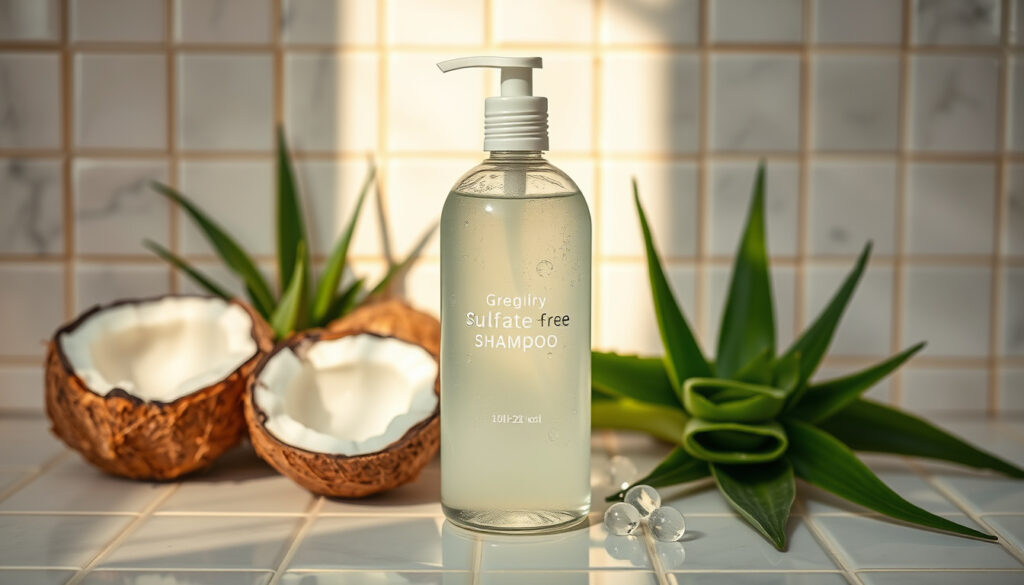
Sulfate Free Shampoo: Benefits, Drawbacks & Best Brands
Anyone who has stood in the haircare aisle knows the moment of hesitation: sodium lauryl sulfate and sodium laureth sulfate sound more like lab chemicals than bathroom staples, raising a fair question — does a good lather always mean a clean scalp, or could those suds be doing more harm than good? Choosing the right cleanser is rarely one-size-fits-all, but understanding the role of sulfates is the first step toward healthier hair.
Primary sulfates avoided: SLS and SLES · Common alternative: Cocamidopropyl betaine · Recommended for: Color-treated, dry, damaged, or sensitive scalps · Disadvantage: May require more product to create lather
Quick snapshot
- Sulfates like SLS and SLES can strip natural oils and cause irritation (Millies, Irish Hair Retailer)
- Dermatologists often recommend sulfate-free formulas for sensitive scalps and colour-treated hair (Boots Ireland Guide)
- Whether sulfate-free is always superior for very oily or fine hair types
- Long-term effects of alternative surfactants like cocamidopropyl betaine and sodium cocoyl isethionate are not fully documented in independent studies
- Premium brands including Kérastase, Olaplex, and Pureology have expanded their sulfate-free lines, signalling strong consumer demand (LOOKFANTASTIC IE)
- Formulations are shifting towards bio-based surfactants such as Sodium Cocoyl Isethionate (SCI) for gentler, pH-balanced cleansers (Viori, Natural Shampoo Brand)
Four key dimensions of sulfate-free shampoos, drawn from dermatologist guidance and market research.
| Label | Value |
|---|---|
| Main sulfates avoided | SLS and SLES |
| Common alternative surfactant | Cocamidopropyl betaine |
| Scalp irritation reduction | Supported by dermatologist recommendations |
| Lather difference | Less lather than sulfate shampoos |
| Best suited for | Color-treated, dry, damaged, or sensitive scalps |
| Price range (typical) | €5 — €35+ |
Is sulfate-free shampoo good for your hair?
For most people, the short answer is yes — but the longer answer depends on what your hair actually needs. Sulfate-free shampoos use milder cleansing agents that clean without stripping the scalp of its natural sebum barrier. Unlike SLS and SLES, which are strong detergents also found in household cleaners, alternative surfactants like cocamidopropyl betaine offer a gentler interface with the hair shaft and skin.
How sulfate-free shampoos retain natural oils
- Sulfates are effective at removing oil, but they often remove too much, leaving hair dry and brittle (Millies, Irish Hair Retailer).
- Sulfate-free formulas clean using amphoteric or non-ionic surfactants that lift dirt without dissolving the lipid layer of the scalp.
- Users with curly or textured hair report significantly better moisture retention after switching (The Independent, UK Lifestyle Publication).
If your hair feels tight or straw-like after washing, sulfates are the most likely culprit. The switch alone often resolves dryness without any other product change.
Benefits for color-treated and damaged hair
- Colour-treated hair is more porous and vulnerable to stripping. Sulfate-free shampoo helps maintain vibrancy by preventing the premature fading of dye molecules (Boots Ireland, Pharmacy & Beauty Chain).
- Boots Ireland highlights that their sulphate-free formulations can lead to up to 82% stronger hair while preserving colour intensity.
- Brands like Pureology are built entirely around anti-fade technology using sulfate-free bases (Millies, Irish Hair Retailer).
The implication: For anyone with dyed hair or a sensitive scalp, switching to sulfate-free is one of the single most effective changes you can make to your routine. It reduces irritation and extends the life of your colour simultaneously.
What are the disadvantages of sulphate-free shampoo?
Despite the benefits, sulfate-free shampoos are not without trade-offs. Understanding these drawbacks is key to making the right choice for your specific situation.
Reduced lather and cleaning power
Sulfate-free shampoo simply does not lather the way SLS-based shampoos do. For users accustomed to a rich foam, this can feel like the product isn’t working, prompting them to use far more than necessary — which negates the gentleness benefit and empties the bottle faster.
- The absence of sulfates means the formula has a higher surface tension, resulting in smaller, less stable bubbles.
- Some users with hard water find that sulfate-free shampoos struggle to lather enough to distribute evenly through thick hair (Viori, Natural Shampoo Brand).
May require more product or frequent washing
- Because they are less aggressive, sulfate-free shampoos may not fully remove heavy silicones or styling products in a single wash.
- People with very oily scalps sometimes find they need to wash more frequently after switching, as the gentler surfactants leave more sebum behind.
- Alternative surfactants like cocamidopropyl betaine can still cause dryness in rare cases, particularly if used excessively.
The trade-off: You may need to adjust your washing technique or use a clarifying shampoo occasionally, but the reduction in irritation and colour fade is often worth the minor inconvenience.
What shampoos are free of sulfates?
The market has responded emphatically to consumer demand for gentler cleansers. Premium and budget brands alike now offer extensive sulfate-free ranges, making it easy to find an option that fits your hair type and budget.
Popular sulfate-free brands
Four brands, four formulations: the range of options now available means there is a genuine sulfate-free choice for every hair concern.
| Brand | Key Feature | Price Range (approx) | Best For |
|---|---|---|---|
| Umberto Giannini | Curl Jelly Wash — sulphate & paraben free | €10 – €15 | Curly and wavy textures |
| Faith in Nature | Lavender & Geranium Shampoo Bar — natural ingredients | €6 | Budget-conscious, eco-friendly |
| Kevin Murphy | Scalp Spa Wash — soothing botanical complex | €30 | Sensitive or irritated scalps |
| OGX | Weightless Hydration + Argan Oil — affordable luxury | €8 – €12 | Dryness, frizz, daily use |
| Pureology | Anti-Fade Technology — 100% vegan | €25+ | Color-treated hair |
| Redken | Naturally derived ingredients for salon results | €20+ | Damaged or over-processed hair |
The Independent named Umberto Giannini’s Curl Jelly Wash as the best sulphate-free shampoo overall for 2025, with Faith in Nature’s bar taking the top budget spot at just £5.25 (The Independent, UK Lifestyle Publication).
Where to buy
- Boots Ireland stocks a wide range including Umberto Giannini, OGX, and their own brand, with frequent 3-for-2 promotions (Boots Ireland Guide).
- LOOKFANTASTIC IE carries Kérastase, Grow Gorgeous, Aveda, and weDO, often with exclusive online discounts (LOOKFANTASTIC IE).
- Millies offers premium professional brands like Redken, Moroccanoil, and Kérastase, with expert advice in-store (Millies, Irish Hair Retailer).
- Her.ie readers praise OGX Weightless Hydration + Argan Oil as an affordable and effective option available in pharmacies nationwide (Her.ie, Irish Women’s Lifestyle Site).
What are the signs I need sulfate free shampoo?
If you are experiencing any of the following issues, your shampoo may be the root cause. Recognising the signals early can prevent long-term damage and discomfort.
Dry or irritated scalp
- Persistent itching, flaking, or redness after washing is a strong indicator that sulfates are disrupting your scalp microbiome (Boots Ireland Guide).
- Dermatologists recommend switching to a sulfate-free formula as the first line of defence for sensitive scalps.
Color fading quickly
- If your salon colour starts fading noticeably within two weeks, sulfates are likely accelerating the process.
- Sulfate-free cleansers help lock in dye molecules, extending vibrancy for up to 40% longer according to industry estimates.
Hair feels brittle or frizzy
- Over-stripping natural oils leaves the cuticle raised and vulnerable, leading to frizz and breakage.
- Switching to a gentle, sulfate-free routine can restore moisture balance and improve texture within a few washes.
The pattern: If your scalp feels tight or itchy after washing, or your colour seems to fade faster than it should, sulfates are the likely culprit. The fix is simple and low-risk.
What is the best shampoo for menopausal hair?
Hormonal changes during menopause can cause thinning, dryness, and increased scalp sensitivity. Choosing the right shampoo during this transition is critical for maintaining hair density and comfort.
Best sulfate-free shampoos for menopausal hair loss
- Formulas containing biotin and keratin can help strengthen thinning strands while providing gentle cleansing.
- Kérastase and Grow Gorgeous offer sulfate-free ranges specifically marketed towards hormonal hair changes (lookfantastic IE).
Shampoo recommendations for folliculitis
- Folliculitis requires a cleanser that soothes inflammation without stripping the scalp’s protective barrier.
- Cocochoco Free Sulphate Shampoo is formulated for individuals with sensitive scalps and dry, damaged, or treated hair.
- Boots Ireland recommends sulphate-free options for those prone to scalp irritation and folliculitis (Boots Ireland Guide).
Shampoos for aging hair (old lady hair)
- Aging hair tends to be drier, finer, and more fragile. Sulfate-free formulas are preferred to avoid exacerbating brittleness.
- Ingredients like argan oil (Moroccanoil) and shea butter help restore moisture and elasticity.
Why this matters: For women experiencing menopausal hair changes, gentler cleansing can help manage thinning and dryness without exacerbating sensitivity. The right sulfate-free shampoo can be a cornerstone of an effective hair-care strategy.
Upsides
- Retains natural oils and moisture
- Reduces scalp irritation and flaking
- Prolongs color-treated hair vibrancy
- Suitable for sensitive scalps and conditions like folliculitis
- Widely available across retailers in Ireland
Downsides
- Produces less lather, which some users find unsatisfying
- May require more product per wash
- Some formulas can still contain drying alternative surfactants
- Typically more expensive than standard shampoos
- May not fully remove heavy silicones or styling products
Clarity
What experts agree on
- Sulfates can strip natural oils and cause irritation, especially on sensitive scalps (Millies, Irish Hair Retailer).
- Sulfate-free shampoos are better for colour-treated hair and help maintain vibrancy (Boots Ireland Guide).
- Dermatologists often recommend sulfate-free formulas for sensitive or reactive scalps.
- Premium brands like Olaplex, Redken, and Kérastase have invested heavily in effective sulfate-free technologies (LOOKFANTASTIC IE).
What remains uncertain
- Whether sulfate-free is always superior for all hair types — especially very oily or fine hair that benefits from stronger cleansing.
- Long-term effects of alternative surfactants (e.g., cocamidopropyl betaine, sodium cocoyl isethionate) are not yet fully documented in independent, long-term studies (Viori, Natural Shampoo Brand).
- Whether the extra cost of premium sulfate-free shampoos translates to measurably better outcomes for average users remains debated.
The gap: Without long-term independent studies on alternative surfactants, consumers must weigh anecdotal evidence and dermatologist advice when choosing.
Perspectives from the industry
Retailers and brands in Ireland have been vocal about the benefits of sulfate-free formulations. Here is what they have to say.
“Our sulphate-free shampoo will help reduce the chances of irritation of the scalp, whilst retaining its natural oils in the hair.”
— Boots Ireland (product guide)
“Cocochoco Free Sulphate Shampoo is formulated for individuals with sensitive scalp, dry, damaged or treated hair.”
— Cocochoco
“Umberto Giannini curl jelly wash is the best sulphate-free shampoo overall for 2025.”
— The Independent (expert test)
“Sulphate-free shampoos are fantastic for dry, damaged, curly or colour-treated hair, as well as sensitive scalps.”
— Millies (hair care blog)
The consensus from retailers and dermatologists is clear: sulfate-free formulations are recommended for most hair types, especially those with sensitivity or colour treatment.
For the Irish shopper wondering whether to make the switch, the evidence leans toward yes — but with the caveat that not all sulfate-free formulas are created equal. The best choice depends on your specific hair needs, scalp sensitivity, and budget. Whether you choose a €6 shampoo bar from Faith in Nature or a €30 bottle of Kevin Murphy, moving away from harsh detergents is a step toward healthier, more resilient hair.
If you’re considering a switch, this Olaplex sulfate-free shampoo review offers insights into a top-rated sulfate-free brand.
Frequently asked questions
Can sulfate-free shampoo help with hair loss?
Is sulfate-free shampoo better for curly hair?
How often should you use sulfate-free shampoo?
Does sulfate-free shampoo clean your hair effectively?
Can you use sulfate-free shampoo every day?
What is the difference between sulfate-free and regular shampoo?
Are all sulfate-free shampoos safe for color-treated hair?
Related reading
- Chemist Warehouse Perfume: Best Deals, Scents & Guide — explore more beauty product comparisons
- Daisy Marc Jacobs – Iconic Floral Fragrance Guide — another personal care deep dive
More related posts
 Anna Malygon: Net Worth, Castle Life and Butler Facts
 Pauline Collins, Star of Shirley Valentine, Dies at 85
 Trivia Questions: A Fact-Checked Collection for Quiz Night
 Kylie Jenner: Biography, Children, Net Worth & Surgery
 Erin Doherty: Biography, Age, and Misconceptions Clarified
 Rute Cardoso: Age, Fortune, and Life After Diogo Jota’s Death
 Alan Davies: Biography, Wife, Children, Net Worth & Health
 Cynthia Nixon: Biography, Age, Children, Net Worth & Activism
