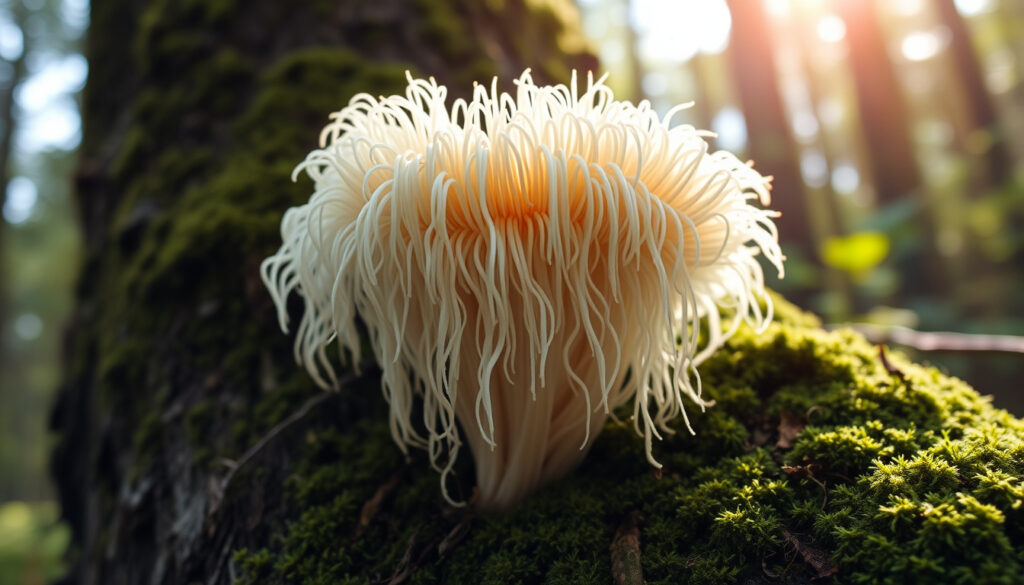
Lion’s Mane Mushroom: Benefits, Side Effects & Facts
If you’ve spent any time in supplement shops lately, you’ve probably spotted Lion’s Mane Mushroom shelled out on store shelves and mentioned in wellness circles. The shaggy, white fungus looks unlike any other mushroom, and advocates swear it sharpens the mind and steadies the nerves. But what’s actually behind the buzz? This guide cuts through the marketing noise and lays out what research shows — the benefits worth believing in, the side effects to watch for, and the myths that have somehow taken hold along the way.
Scientific name: Hericium erinaceus · Traditional use: Chinese medicine · Key vitamins: Thiamine, riboflavin, niacin · Key minerals: Manganese, zinc · Calories: Low
Quick snapshot
- Nerve growth and brain cell support (Alzheimer’s Drug Discovery Foundation)
- Anti-inflammatory and anti-tumor properties (PMC)
- Rich in thiamine, riboflavin, niacin, manganese, zinc (WebMD)
- Side effects rare; mild stomach discomfort possible (WebMD)
- Supplement safety less clear than food form (Medical News Today)
- No psychoactive high — not addictive (WebMD)
- Edible whole in soups, teas, and stir-fries (Florida Shroom King)
- Available as powder, capsules, and extracts (Healthline)
- Low-calorie addition to any diet (Florida Shroom King)
- Allergic reactions possible (rash, breathing difficulty) (Healthline)
- May worsen autoimmune conditions (WebMD)
- Consult doctor before use if on immunosuppressants (Memorial Sloan Kettering)
The table below consolidates the most critical facts about Lion’s Mane for quick reference.
| Property | Details |
|---|---|
| Edibility | Yes, safe to eat |
| Medicinal tradition | Chinese medicine (centuries of use) |
| Primary effects | Nerve growth, anti-inflammation |
| Supplement form | Powder, capsules |
What Does Lions Mane Do For Your Body And How Does It Work?
Three mechanisms drive the interest in Lion’s Mane: nerve regeneration, anti-inflammation, and a rich nutrient profile.
Anti-inflammatory effects
Research from peer-reviewed sources documents anti-inflammatory properties in Lion’s Mane extracts. According to PMC, the mushroom shows anti-tumor, antioxidant, and anti-inflammatory effects across multiple studies. A 2016 study using a 14% Lion’s Mane extract reduced ulcerative colitis symptoms after 3 weeks in human participants. The extract performed more effectively than traditional acid-lowering drugs for preventing alcohol-induced stomach ulcers in animal models.
Nerve regeneration
The most discussed mechanism involves Nerve Growth Factor (NGF) stimulation. The fruiting body contains hericenones while mycelium yields erinacines — both compound families trigger NGF synthesis in the brain. Erinacine A specifically shows the greatest biological activity among identified compounds, according to the Alzheimer’s Drug Discovery Foundation. This NGF boost may explain reported improvements in memory and cognitive function.
Vitamin and mineral content
Whole Lion’s Mane delivers thiamine, riboflavin, niacin, manganese, and zinc — nutrients supporting nervous system health. The calorie count stays low regardless of preparation method, making it an easy dietary addition.
For people experiencing brain fog or mild cognitive decline, the NGF stimulation mechanism is where the science points clearest. Cognitive improvements may show up within 4-6 weeks of daily use, though researchers note benefits fade after stopping supplementation.
What is the downside of lion’s mane?
For most people, Lion’s Mane is safe when eaten as food. The risk profile changes when considering long-term supplement use.
Potential side effects
Clinical sources report side effects including abdominal discomfort, nausea, and skin rash. Allergic reactions can involve difficulty breathing or noticeable skin changes. Itchy skin is a commonly reported side effect, especially in high-histamine environments. Mild stomach aches are possible if doses exceed recommendations.
Interactions
Lion’s Mane interacts with immunosuppressants by increasing immune activity, potentially reducing medication effects. The mushroom may worsen autoimmune diseases like MS, lupus, and rheumatoid arthritis by over-activating the immune system. People with mushroom allergies or asthma should proceed cautiously — NGF can increase mast cell degranulation and histamine release.
Supplements lack the regulatory oversight applied to pharmaceuticals. According to Medical News Today, supplements are not regulated like food or drugs, meaning safety is less clearly established than for whole-food forms.
Does Lion’s Mane get you high?
This question surfaces repeatedly in supplement forums, and the short answer is no — but the confusion is understandable.
Psychoactive claims
WebMD explicitly states no good scientific evidence supports psychoactive properties. Lion’s Mane is not addictive and produces no high. Unlike CBD or THC, it contains no compounds that bind to cannabinoid receptors or produce intoxication.
User experiences
Reports of feeling “clear” or energized after taking Lion’s Mane likely reflect the cognitive support mechanism rather than any psychoactive effect. Users describe mental sharpness and improved focus, not euphoria or altered perception. Some first-time users interpret these subtle cognitive shifts as a “high,” but the mechanism is nerve support, not intoxication.
People pay premium prices expecting an experience similar to CBD or adaptogens, then feel let down when the effect is quieter than anticipated. The real benefit is long-term cognitive support, not a short-term mood lift.
Who should avoid lion’s mane?
Not everyone should reach for Lion’s Mane supplements without medical input.
Specific groups
Anyone allergic to mushrooms should avoid Lion’s Mane entirely. Individuals with asthma face elevated risk due to potential histamine release. People managing autoimmune conditions — including MS, lupus, or rheumatoid arthritis — should consult a physician before use. Pregnant or breastfeeding individuals and children lack sufficient safety data for recommendation.
Precautions
Those on immunosuppressant medications need physician guidance. Drug interactions with other medications remain understudied. Starting with a low dose and monitoring for any adverse reactions makes sense for anyone new to the supplement.
How do you feel after taking lion’s mane?
Expectations matter here. First-time users often search for the wrong signals.
First-time experiences
Most users report subtle rather than dramatic shifts. According to PMC research, acute and chronic effects may improve performance speed and reduce subjective stress in young adults. The change feels less like a caffeine jolt and more like a gradual lifting of mental fog.
Mental clarity
Dr Louise Newson, a UK physician specializing in hormones and brain health, has noted Lion’s Mane as a potential tool for brain fog relief. PMC publications confirm that Lion’s Mane is extensively researched for neuroprotective benefits. Users commonly report improved focus, better mood stability, and reduced anxiety after consistent use over several weeks.
Upsides
- Neuroprotective effects supported by peer-reviewed research
- Edible as food — lower risk than isolated supplements
- Traditional use spans centuries in Chinese medicine
- Rich nutrient profile: thiamine, riboflavin, niacin, manganese, zinc
- Anti-inflammatory and anti-tumor properties documented
- May reduce symptoms of mild depression and anxiety
Downsides
- Supplements not regulated like pharmaceuticals
- Allergic reactions possible (rash, breathing difficulty)
- May worsen autoimmune conditions
- Interactions with immunosuppressant drugs
- Benefits may fade after stopping supplementation
- Long-term safety beyond 49 weeks not established
What the research still leaves unclear
Despite promising data, gaps remain in the scientific record.
Long-term safety beyond 49 weeks lacks human trial data. Skin application safety has insufficient reliable information. Drug interactions beyond immunosuppressants remain understudied. Specific dosing guidelines for different conditions do not exist. Pediatric and pregnancy safety data are absent.
For the immune-competent adult without mushroom allergies, the risk profile looks manageable. For anyone in a vulnerable group — autoimmune patients, allergy sufferers, pregnant individuals — the unknowns outweigh the current benefits.
“A 2020 study of people with mild Alzheimer’s disease found that supplementation with 1 gram of lion’s mane mushroom daily for 49 weeks significantly improved cognitive test scores.”
— Healthline (Health Publication)
“The findings tentatively suggest that Hericium erinaceus may improve speed of performance and reduce subjective stress.”
— PMC Study (Scientific Paper)
Related reading: Agomelatine Side Effects: Common, Severe Risks
mygenefood.com, everydaydose.com, hollandandbarrett.com, pmc.ncbi.nlm.nih.gov
Lion’s mane earns praise as a brain booster, though claims often exceed evidence, as this Australian benefits and side effects guide thoughtfully dissects.
Frequently asked questions
What are lion’s mane benefits?
Lion’s Mane supports nerve growth factor production, reduces inflammation, and may improve cognitive function. Research suggests benefits for brain fog, mild depression, anxiety, and digestive health.
Lion’s mane supplement side effects?
Side effects are rare but can include abdominal discomfort, nausea, skin rash, and itchy skin. Allergic reactions — difficulty breathing or skin changes — require immediate medical attention.
Lions mane mushroom where to buy?
Quality supplements are available at health food stores, online retailers, and some pharmacies. Look for products specifying fruiting body content (not mycelium grown on grain) for higher hericenone and erinacine concentrations.
Is Lion’s Mane legal?
Yes. Lion’s Mane is legal in most countries including the United States, United Kingdom, Australia, and the European Union. It is not a controlled substance and carries no restrictions similar to psychoactive compounds.
Lion’s mane benefits for male?
Men report similar benefits to general users: improved focus, mood support, and potential nerve health maintenance. No gender-specific research exists, but the mechanisms apply across sexes.
Lions mane mushroom recipes?
Whole Lion’s Mane works well in soups, stir-fries, teas, and risottos. The texture holds up to cooking and absorbs flavors easily. Powdered supplements mix into smoothies, coffee, or oatmeal.
Lions mane mushroom powder uses?
Powdered Lion’s Mane supplements mix into beverages or food. Typical doses range from 500mg to 2 grams daily. Starting with lower doses and gradually increasing helps assess tolerance.
More related posts
 ABC News Australia: Trusted News & Public Broadcasting Guide
 Anna Malygon: Net Worth, Castle Life and Butler Facts
 Punjab Kings vs Kolkata Knight Riders Match Scorecard IPL 2026
 Christine Anu Biography, Career, and Music
 Peta Credlin: Career, Husband, Religion, Health Updates
 Stevie Ray Vaughan’s Death: Crash, Sobriety & Clapton’s Tribute
 Ishan Kishan: Age, Girlfriend, Salary, Net Worth & Career Facts
