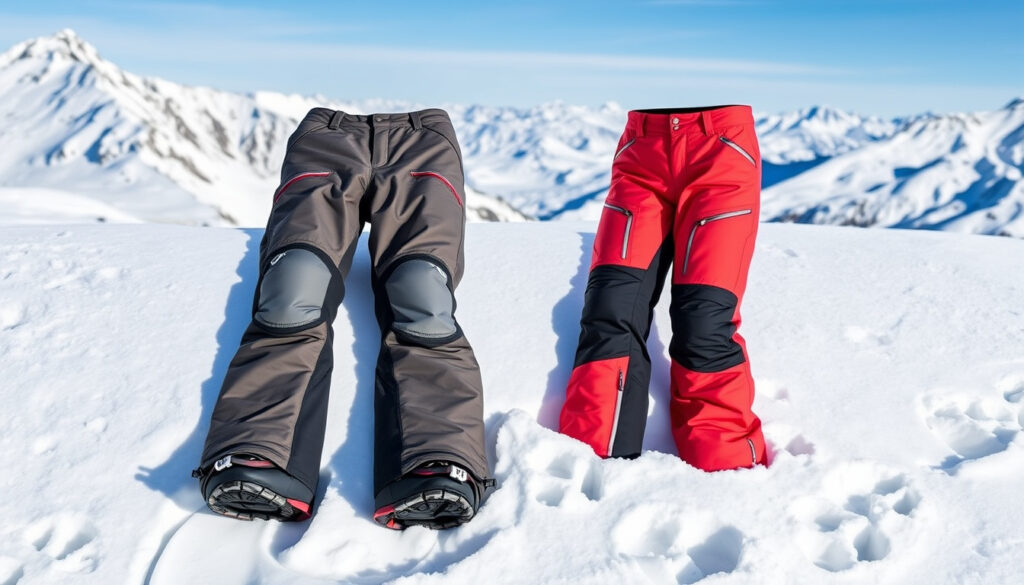
Snow Pants vs Ski Pants: Differences, Layering, and Best Picks
Anyone who has braved a winter day outdoors knows the feeling of cold, wet legs cutting the fun short. The right pair of snow pants makes all the difference, but with terms like ski pants, snowboard pants, and shell pants flying around, choosing gets confusing. This guide cuts through the jargon with verified specs and brand facts, so you can pick the bottom layer that matches your activity and climate.
Waterproof rating range: 5,000 mm to 20,000 mm ·
Average insulation weight: 40 g to 200 g ·
Typical price range: $50 to $500 ·
Common fabric materials: Nylon, polyester, Gore-Tex
Quick snapshot
- Snow pants and ski pants share core technologies for cold-weather protection (Quiksilver)
- The 3‑layer rule is a standard winter layering system (REI)
- Waterproof ratings from 5,000 mm to 20,000 mm are typical (Backcountry)
- Exact insulation weights vary by brand and model
- “Best” brand depends on individual needs and budget
- Ski and snowboard pants continuously adopt features from one another; the label “snow pants” now covers both use cases (Stio)
- Matching pants to activity (resort, backcountry, casual) is the critical decision – not the name on the tag
A handful of specs separate good snow pants from great ones. The table below shows the key numbers to watch.
| Specification | Typical Value | Source |
|---|---|---|
| Waterproof rating | 5,000 mm to 20,000 mm | Backcountry (outdoor gear retailer) |
| Breathability rating | 5,000 g/m²/24h to 20,000 g/m²/24h | Backcountry |
| Insulation types | Synthetic (PrimaLoft, Thinsulate) or down | Quiksilver (action sports brand) |
| Recommended minimum waterproof rating | 10,000 mm | Evo (specialty gear retailer) |
| Recommended rating for wet conditions (e.g., PNW) | 20,000 mm | Evo |
| Common features | Boot gaiters, zippered vents, reinforced knees, adjustable waist | Backcountry |
| Layering system (3‑layer rule) | Base + mid + outer shell | REI (outdoor co‑op) |
| Fit difference: ski vs snowboard | Ski pants: slimmer; snowboard pants: roomier | Stio (specialty apparel brand) |
The pattern: Waterproof rating and breathability go hand‑in‑hand; higher numbers mean better protection in heavy snow but often a higher price.
What is the difference between snow pants and ski pants?
Key differences in design and features
- Ski pants are typically cut slimmer to support a forward‑leaning skiing posture (Stio).
- Snowboard pants are baggier for lateral movement and include reinforced knees and seat (Quiksilver).
- Both types share the same core waterproofing and breathability technologies (Quiksilver).
- Reinforced cuffs are common on ski pants to protect against boot buckles and ski edges (Quiksilver).
The catch: In modern retail, “snow pants” often serves as the umbrella term. The real distinction is fit and reinforcement – not weather protection.
When to choose snow pants vs ski pants
- Choose ski pants if you primarily ski at a resort and want a closer, less bulky fit.
- Choose snowboard pants (often called snow pants) if you need room for layering and movement, especially for tricks or backcountry travel.
- For casual snow play or walking, either works – pick by fit and insulation.
Do you wear pants under snow pants?
The 3 layer rule for winter
- Base layer: synthetic or wool – wicks moisture away from skin (REI).
- Mid layer (optional): fleece or light down for extra warmth.
- Outer layer: snow pants – block wind and water, and allow ventilation.
- Never wear cotton as a base layer; it retains moisture and causes chilling.
The trade‑off: Adding a mid layer under snow pants requires a roomier cut. If your pants are already slim, stick to a thin base layer only.
What to wear under snow pants for different activities
- Resort skiing: lightweight synthetic base layer + insulated snow pants.
- Backcountry touring: merino wool base + shell pants (no insulation) – to dump heat during exertion.
- Casual snow play: fleece leggings or sweatpants under snow pants – but avoid cotton.
“Snow pants are waterproof or water‑resistant bottoms that keep you dry and warm during winter activities. A proper base layer underneath ensures that warmth is not compromised by sweat.”
— REI Co‑op (outdoor gear expert)
What are the best pants to wear in snow?
Best snow pants for resort skiing
- Insulated pants with 10,000 mm+ waterproof rating – warm and durable.
- Reinforced cuffs and knees to handle ski edges and boot buckles.
- Zippered vents for temperature regulation during chairlift rides.
- Internal snow gaiters keep powder out of boots.
For a resort day, insulated pants from brands like Columbia or The North Face offer a good balance of warmth and waterproofing without requiring heavy layering.
Best snow pants for backcountry
- Shell pants – no insulation, lightweight, highly breathable.
- Waterproof rating 20,000 mm for wetter backcountry conditions, especially in regions like the Pacific Northwest (Evo).
- Articulated knees and a trimmer fit that still allows a base and mid layer.
Backcountry enthusiasts pair shell pants with a merino base and a lightweight mid layer. The ability to dump heat while ascending is critical – insulation would be a liability.
Best snow pants for casual snow play
- Insulated snow pants with a 5,000–10,000 mm rating – budget‑friendly and warm enough for sledding or walking.
- Easy entry: look for an elastic waist or full‑side zippers.
- Boot gaiters are still useful to keep snow out.
For occasional use, lower waterproof ratings work fine. But if you plan to spend full days outside, a 10K rating is worth the upgrade.
Recreational skiers and snowboarders should focus on insulated pants with 10K+ waterproofing. Backcountry riders need shell pants with high breathability. Casual users can go with lower‑spec insulated pants and save money.
Are snow pants or ski pants warmer?
Insulation levels in snow pants
- Many snow pants come with built‑in synthetic insulation (40 g to 200 g). Heavier insulation means less need for mid layers, but also less flexibility.
Insulation levels in ski pants
- Ski pants are often sold as shells or with light insulation (40–80 g), because skiers generate more body heat from constant movement.
How to choose based on temperature
- Below 20°F: insulated snow pants (100 g+).
- 20–35°F: light insulation or shell with a fleece mid layer.
- Above 35°F: shell pants with a thin base layer only.
The pattern: Active skiers rarely need heavy insulation. Snowboarders sitting on chairlifts may appreciate extra warmth. Choose the insulation weight based on your anticipated activity level, not just the temperature.
“Both ski and snowboard pants are commonly sold as either shell or insulated. The decision comes down to the climate and how much you are moving.”
— Quiksilver (action sports brand)
What is the 3 layer rule for winter?
Base layer: moisture management
Merino wool or synthetic fabrics that wick sweat away from the skin. Polyester or nylon blends keep you dry; cotton does the opposite and can lead to hypothermia.
Mid layer: insulation
Fleece, down, or synthetic puffy – traps body heat. The thickness depends on temperature and activity level.
Outer layer: protection from elements
Snow pants and a waterproof jacket block wind, rain, and snow. The outer layer also manages ventilation via pit zips and thigh vents.
Why this matters: The 3‑layer system gives you the flexibility to add or remove layers as conditions change. Snow pants are the final shield, but they work best when the layers beneath are chosen for the day’s plan.
Two brands, two pairs of pants – the table below highlights the trade‑offs between a typical insulated snow pant and a typical ski shell.
| Feature | Insulated Snow Pants | Ski Shell Pants |
|---|---|---|
| Insulation | Built‑in (40–200 g) | None (requires layering) |
| Waterproof rating | 5K–20K mm | 10K–20K mm |
| Breathability | 5K–15K g/m²/24h | 10K–20K g/m²/24h |
| Best for | Resort, casual, cold days | Backcountry, warm days, high output |
| Price range | $60–$250 | $150–$500 |
Upsides
- Insulated pants keep you warm without extra layers
- Shell pants are highly breathable and packable
- Modern fabrics offer excellent waterproofing in both styles
Downsides
- Insulated pants can be too warm for high‑output activities
- Shell pants require careful base/mid layer selection
- Higher waterproof ratings increase cost regardless of style
Steps to choose your snow pants
- Identify your primary activity (resort, backcountry, casual).
- Determine the typical temperature range you’ll face.
- Decide on insulation: heavy for cold/resort; light or shell for active/backcountry.
- Check waterproof rating: 10K minimum; 20K for wet climates.
- Look for features: boot gaiters, vents, reinforced knees/cuffs.
- Try them with your base layer to ensure room to move and good fit.
Confirmed facts
- Snow pants and ski pants are often used interchangeably but have design differences: ski pants are slimmer, snowboard pants are roomier (Stio).
- The 3‑layer rule (base, mid, shell) is the standard winter layering system (REI).
- Waterproof and breathability ratings are key specifications – 5,000–20,000 mm and 5,000–20,000 g/m²/24h (Backcountry).
- Evo recommends at least 10,000 mm for most skiing and 20,000 mm for wetter regions (Evo).
What’s unclear
- Exact insulation weight for specific models varies by brand and is not always listed.
- Which brand is “best” depends on individual needs and budget – no universal winner.
“Many ski and snowboard pants include gaiters to keep snow out of boots and zippered vents to dump heat. These features are more important than the name on the label.”
— Backcountry (specialty gear retailer)
A warm winter day on the slopes starts with the right kit. Whether you choose snow pants or ski pants, the real differentiation lies in fit, insulation, and waterproofing – not the label. For the average resort skier, insulated pants with 10K‑20K waterproofing offer the best mix of warmth and convenience. Backcountry enthusiasts should select shell pants paired with a proper layering system for the versatility needed for high‑output touring without overheating.
For related reading, check out our Mt Buller Snow Cam Guide and Wide Leg Jeans Guide for more winter gear and style insights.
For those who prefer a more versatile option, waterproof hiking pants can also double as ski or snow pants in milder conditions.
Frequently asked questions
Can you wear snow pants for skiing?
Yes – most snow pants work perfectly for skiing. The main difference is fit: ski‑specific pants are usually slimmer and have reinforced cuffs to prevent damage from ski edges. If your snow pants are not too baggy and include boot gaiters, they are fine for resort skiing.
How should snow pants fit?
They should sit at your natural waist (or slightly below) and allow a full range of motion without restricting your knees. The length should cover your boots so that snow cannot enter. If you plan to layer, leave enough room for a base and mid layer without the pants feeling tight.
What is the best fabric for snow pants?
Nylon and polyester shells with a waterproof membrane (e.g., Gore‑Tex, eVent, or proprietary DWR coatings) are standard. For insulation, synthetic fills like PrimaLoft and Thinsulate are popular because they retain warmth even when wet.
Are snow pants waterproof?
Most snow pants are at least water‑resistant, and many have a fully waterproof membrane. Look for a rating of 5,000 mm or higher for reliable protection. For heavy snow or wet climates, choose 10,000 mm or above (Evo).
How do you wash snow pants?
Close all zippers and vents, turn the pants inside out, and machine‑wash on a gentle cycle with a technical detergent (avoid fabric softener). Hang to dry – never use high heat or iron them. Re‑apply DWR spray periodically to maintain water repellency.
What is ski boot syndrome and how to prevent it?
Ski boot syndrome refers to pain or numbness in the feet and shins caused by tight boots or improper alignment. Prevent it by ensuring boots fit correctly, using custom footbeds, and wearing thin merino socks. Snow pants with cuffs that sit outside the boot help avoid pressure points.
Do 70 year olds need special snow pants?
Not necessarily special, but comfort features matter more with age. Look for easy‑entry waistbands (elastic or Velcro), lightweight insulation that reduces bulk, and a longer zipper for donning and doffing without bending too much. Many brands offer adaptable fits that work well for senior skiers.
More related posts
 Better Beer: Is It Actually Better for You
 Lisa Millar: ABC Journalist, Partner, Weight Loss & Career
 Marnus Labuschagne: Afrikaans Roots, Family, Career & FAQs
 Harry Hamlin: Biography, Relationships, and Current Life
 Lois Lane: Journalist, Wife of Superman, and Superboy’s Mother
 Linnea Berthelsen: Height, Ethnicity, Languages, Stranger Things
 Lady Gaga Tickets 2026: Prices, Sold-Out Dates & Where to Buy
 Rute Cardoso: Age, Fortune, and Life After Diogo Jota’s Death
